
Wind, water, birds and bees all belong to nature, but each needs a different microphone position.
Wind
The sound of leaves moving in the wind is welcome. Unwanted wind noise appears when air strikes the microphone directly. A suitable windshield and a sheltered position behind a trunk or bank help. The microphone should not touch grasses or branches.
Water
Beside water, a small change of distance can transform the sound. Directly at a waterfall, the result is often a loud, even rush. A few metres away, separate currents and the wider surroundings become audible again.
If birds or insects also matter, a different position usually helps more than simply lowering the recording level.
Birds and bees
A directional microphone can make bird calls clearer. Distance and care remain more important than a very close sound. Nests, resting places and flight paths must not be disturbed.
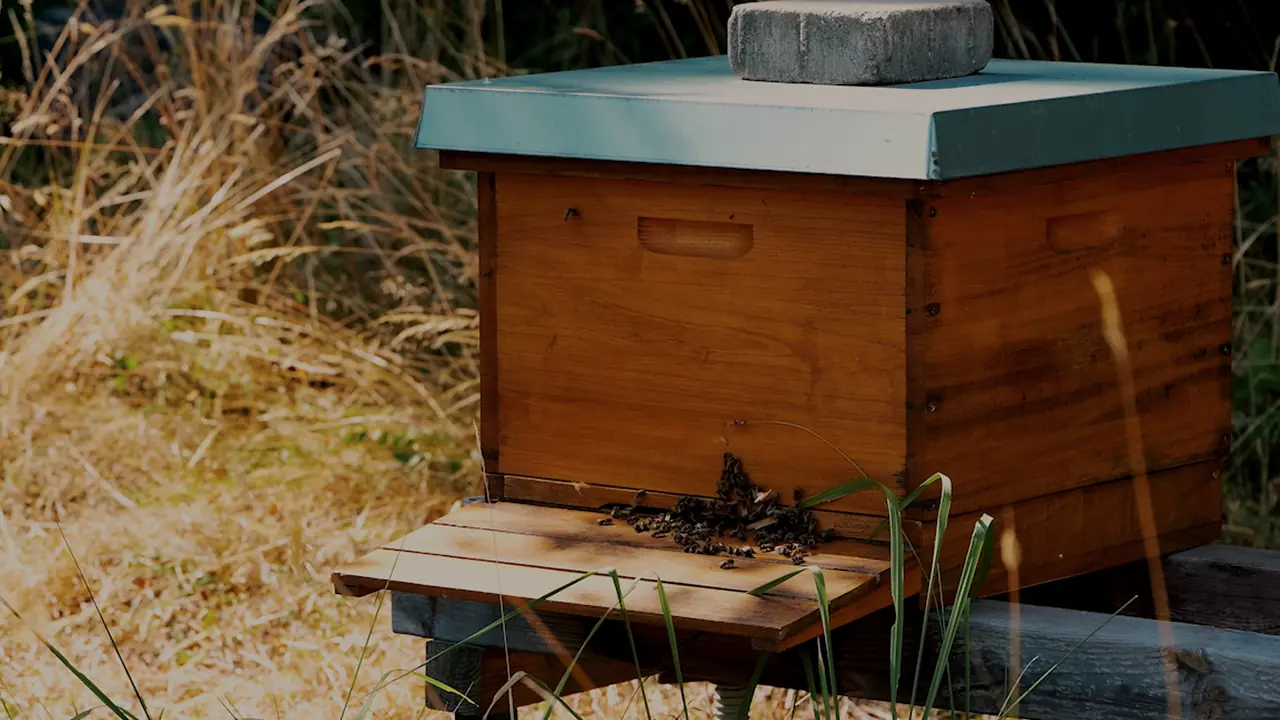
At a beehive, a tripod or microphone should never block the entrance. A position to the side can record the hum while leaving the bees their space.
Try it directly
- Always use suitable wind protection outdoors.
- Compare several distances beside water.
- For high-quality originals, choose uncompressed WAV at a minimum of 48 kHz and 24-bit when the recorder supports it.
- Record a little quiet ambience before and after the main sound.
In short
The loudest sound is not automatically the best. Good natural audio preserves detail, space and the balance of the place.