
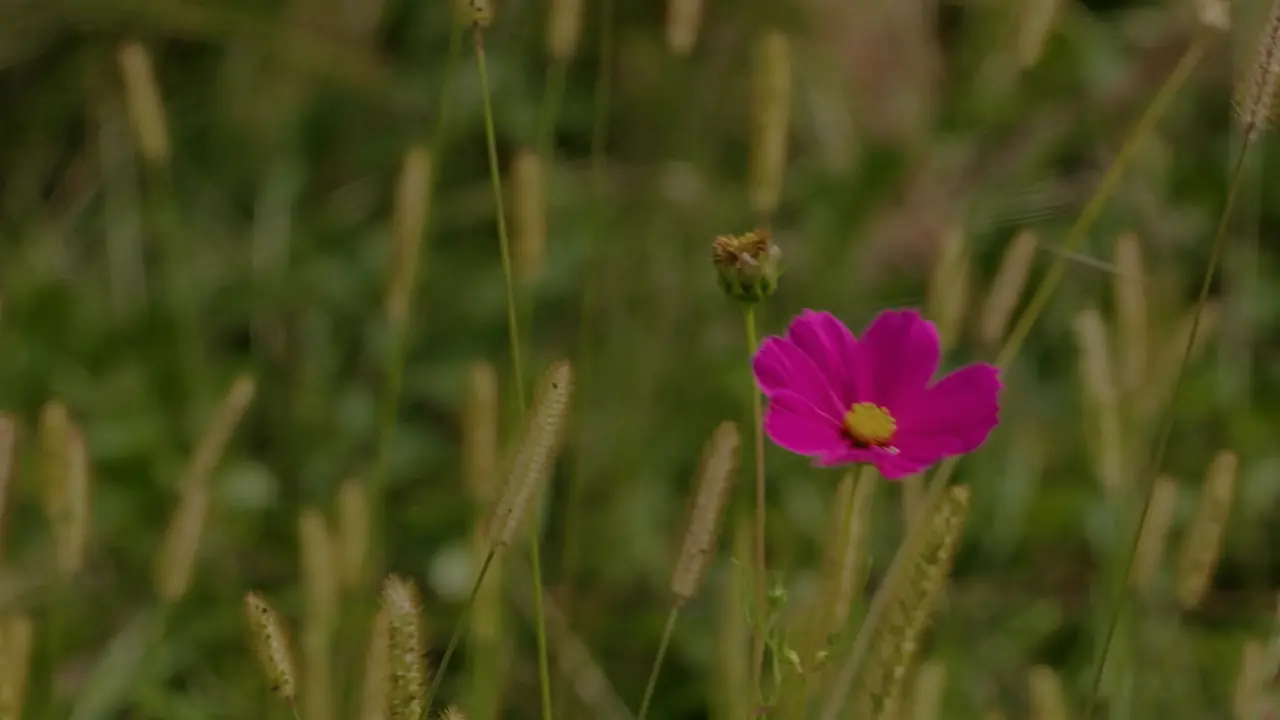
The camera shows everything inside the frame, but it does not decide what matters. That is where composition begins.
A simple test helps: what is this image about? Perhaps water between dark stones, grasses in the wind or bees at the entrance to their hive.
Guide the eye clearly
Bright areas, strong colours and pronounced lines attract attention. A small patch of bright sky at the edge can become more noticeable than the intended subject.
Check all four edges as carefully as the centre. A small step to the side or a lower camera position may hide a distracting branch, path or patch of light.
Perspective also changes the image. Moving the camera closer to a stone or flower makes it larger in relation to the background. Zooming from the same position mainly changes the crop.
Show less without leaving the image empty
A peaceful frame may contain many details, provided they belong together. Moss, leaves and stones can form one connected surface. A scene becomes restless when several areas demand attention at once.
Quiet areas of water, sky or shadow give the main subject room. They are not leftover space, but an active part of the image.
Try it directly
- Describe the subject in one short sentence.
- Move your eyes slowly around every edge of the frame.
- Compare the original view with a slightly tighter version.
In short
A clear image does not show as little as possible. It shows what matters without confusion.