
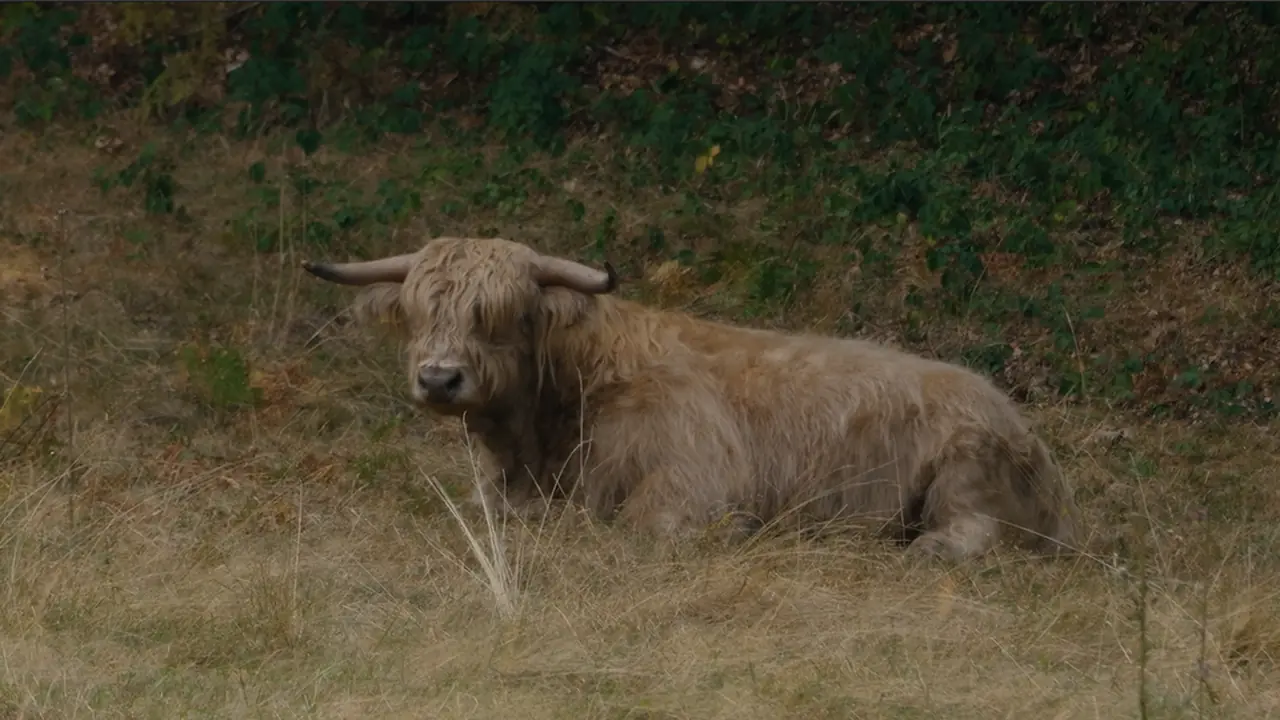
A close-up feels personal and immediate. With wild animals, that closeness should be created in the image, not through excessive physical approach.
A longer focal length and patient observation can create a tight frame while preserving distance.
Behaviour sets the limit
An animal does not have to flee to be disturbed. Repeated vigilance, interrupted feeding, alarm calls or a change of direction can already be warning signs.
Responses differ by species, season and situation. There is no single distance that suits every animal. Local rules provide the minimum boundary. If behaviour changes, retreat.
In Germany, the general protection of wild animals under Section 39 of the Federal Nature Conservation Act is supplemented by stricter rules for specially protected species and European bird species. Breeding and resting sites, as well as sensitive periods, must not be affected.
Nesting, raising young, mating, resting and winter are especially sensitive periods. Nests, dens and resting places are not ordinary backgrounds. Playback calls and food also change behaviour and do not belong in an undisturbed observation.
The same care applies to plants, moss, fungi and banks. Do not remove branches, move stones or step on plants for a cleaner frame. A different camera height or angle usually offers a better solution.
Apply it directly
- Begin at a distance and observe behaviour.
- Use a longer focal length rather than moving closer.
- Retreat immediately when an animal reacts.
- Check the rules of the protected area before recording.
In short
Closeness is a visual effect. A responsible nature film shows behaviour that would have happened without the camera.